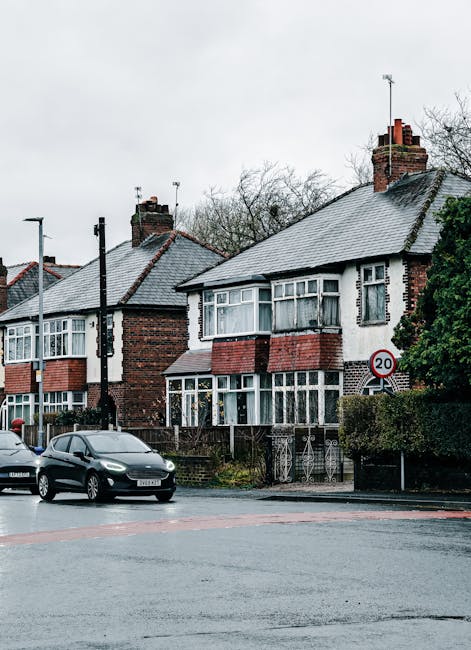
Churchfield Road House Removals Tips for Acton W3
Moving house near Churchfield Road in Acton W3 can feel straightforward on paper and slightly chaotic in real life. Narrower residential streets, shared driveways, awkward parking, a couple of heavy wardrobes, and one box that always seems to vanish by 8am - it all adds up. These Churchfield Road house removals tips for Acton W3 are designed to make the day calmer, quicker, and less expensive, whether you are moving a studio flat, a family home, or something in between.
In this guide, you will find practical advice on planning, packing, timing, vehicle choice, access, safety, and the little local details that can make a big difference on move day. There is no fluff here. Just the sort of advice that helps you avoid the usual last-minute scramble, because let's face it, moving is stressful enough without improvising at the kerbside.
Table of Contents
- Why Churchfield Road House Removals Tips for Acton W3 Matters
- How Churchfield Road House Removals Tips for Acton W3 Works
- Key Benefits and Practical Advantages
- Who This Is For and When It Makes Sense
- Step-by-Step Guidance
- Expert Tips for Better Results
- Common Mistakes to Avoid
- Tools, Resources and Recommendations
- Law, Compliance, Standards, or Best Practice
- Options, Methods, or Comparison Table
- Case Study or Real-World Example
- Practical Checklist
- Conclusion
- Frequently Asked Questions
Why Churchfield Road house removals tips for Acton W3 Matters
Churchfield Road sits in a part of west London where practical planning matters more than people expect. Residential streets can be busy, parking can be tight, and a move that looks simple on a calendar can turn messy if you have not thought through access, timing, and load size. If your removals team cannot park close enough, every extra metre becomes another lift. That is where the costs, delays, and frustration creep in.
The real value of planning a Churchfield Road move properly is that you reduce pressure before it starts. You know where the van can stop. You know which items need dismantling. You know whether you need proper packing materials and boxes or whether a few strong crates will do. And you know whether the move is best handled by a full house removals service, a smaller vehicle, or a flexible man and van option.
That local awareness is especially useful if you are moving at a weekend, during school runs, or in the middle of the month when everybody else seems to be doing the same thing. A little preparation goes a long way. Honestly, it saves arguments too.
Expert summary: The best Churchfield Road house removals plan is not the fanciest one. It is the one that matches access, volume, timing, and the real shape of your home. Keep the plan simple, keep it realistic, and the move usually feels half as hard.
How Churchfield Road house removals tips for Acton W3 Works
A good house move works in stages, not in one giant rush. First you assess the property. Then you decide what is moving, what is staying, and what needs packing, wrapping, or storing. After that comes vehicle planning, labour planning, and timing. It sounds obvious, but plenty of people start with boxes and only later realise the sofa will not fit through the hallway without a plan. That is usually when the mood changes.
For a Churchfield Road move, the process usually begins with the front access. Can a van stop nearby without blocking traffic? Is there somewhere safe for furniture to be loaded? Are there basement steps, narrow staircases, or shared entrances that will slow the team down? These details matter because they shape the job before a single item is lifted.
If you are comparing service styles, you might look at general removals for a broader moving package, a removal van for a smaller load, or truck hire if you already have a team and just need transport. The right choice depends on how much you are moving and how quickly it needs to happen. No drama, just the right fit.
Once the move begins, the aim is to keep the route clear, protect fragile items, and load in a sensible order. Heavy items first, fragile boxes last, and anything you will need immediately at the destination should be easy to find. That sounds simple because it is. Simple is good on moving day.
Key Benefits and Practical Advantages
Good removals planning does more than save time. It makes the whole experience feel controlled, even if you are moving under pressure. There is a big difference between a move where you are hunting for keys, tape, and a kettle at 7:30 in the morning, and one where each job has already been thought through.
- Faster loading and unloading: Items are packed in the right order and the team wastes less time guessing what goes where.
- Lower risk of damage: Proper wrapping, better stacking, and clear labels reduce the chance of smashed corners or scratched furniture.
- Better use of vehicle space: A well-planned load can often fit into fewer trips, which helps with cost and timing.
- Less stress on the day: If you know what is happening, you are not making decisions in a rush.
- Safer handling: Heavy and awkward items are moved with more care, especially on stairs or tight turns.
There is also a hidden benefit that people forget: a good move gives you a better start in the new home. If your essentials bag is packed, the beds are labelled, and the kitchen boxes are clearly marked, your first evening is far more manageable. You can find the mugs. You can find the phone chargers. Life continues. A small victory, but a welcome one.
If you expect to need storage for a few days or longer, it can be worth looking at storage options early rather than waiting until the van is outside. That decision tends to be easier before everyone is tired.
Who This Is For and When It Makes Sense
These tips are useful for a wide range of movers, not just families with large homes. In practice, Churchfield Road and the surrounding Acton W3 area see plenty of different moving scenarios. A young professional moving out of a one-bed flat needs speed and flexibility. A family with children needs planning and patience. Someone downsizing needs sorting and disposal as much as transport. Different move, same basic headaches.
This guidance makes sense if you are:
- moving within Acton W3 or to another part of west London
- moving from a terrace, flat, maisonette, or family house near Churchfield Road
- trying to coordinate children, pets, work, or school schedules around the move
- comparing full removals against a lighter service such as man with a van
- dealing with furniture that needs dismantling, wrapping, or careful handling
- moving on a tight deadline or a date with limited access
It also makes sense if you are the sort of person who likes to be prepared without turning the whole thing into a military operation. Truth be told, that is most people.
Step-by-Step Guidance
1. Walk through the property before anything is packed
Start with a room-by-room review. Decide what is moving, what is being donated, what can be sold, and what needs disposing of. This saves time later and stops you boxing up items you no longer want. It sounds obvious, but in the middle of a move, obvious things can vanish from memory.
2. Measure the awkward bits
Measure doorways, stair turns, hallway widths, and large items like sofas, beds, wardrobes, and appliances. In older properties, a few centimetres can matter. If a wardrobe will only fit upright after dismantling, it is better to know that on Tuesday than at 6am on Saturday.
3. Choose the right moving method
Think about volume and access. A smaller move may suit a flexible man and van arrangement, while a full-house move may need a larger team and vehicle. If you are moving multiple heavy items or a full household, a more comprehensive house removalists service can be the safer fit.
4. Pack by room and by priority
Room-based packing makes unpacking far less painful. Add a priority label too: essentials, first-night boxes, and non-urgent items. Keep toiletries, a change of clothes, chargers, snacks, and medications accessible. You will thank yourself later, probably around the point the kettle is still wrapped in a tea towel box.
5. Protect furniture properly
Blankets, stretch wrap, mattress covers, and corner protection all help. If you have a piano, antique cabinet, or unusually heavy piece, do not wing it. That is the moment to be conservative and careful, or use a dedicated piano removals service where needed.
6. Confirm parking and access early
If the van needs to be close to the entrance, plan ahead. Share any access details with the mover. Note permit issues, loading restrictions, gates, or coded entries. Clear instructions make the day run smoother and reduce those awkward pauses where everybody is standing around the street entrance wondering who has the key.
7. Finish with a final sweep
Check cupboards, loft spaces, under beds, utility rooms, and window ledges. It is always the small thing that gets forgotten: spare keys, a cable, a child's favourite book. Always one more thing.
Expert Tips for Better Results
A few practical habits can make a noticeable difference. These are the little things that experienced movers tend to do without thinking, and they are worth copying.
- Use colour coding: Put a colour on each room and mark boxes, doors, and even furniture legs if needed.
- Pack one "open first" bag: Think phone chargers, loo roll, snacks, batteries, scissors, tea bags, and basic cleaning wipes.
- Dismantle early: Beds, shelving, and bulky tables should be taken apart before moving day if possible.
- Keep screws in labelled bags: Tape the bag to the furniture piece or place it in a clearly marked hardware box.
- Photograph complex setups: TVs, routers, desk cabling, and shelving systems are easier to rebuild with a picture.
- Avoid overfilling boxes: Books and crockery get heavy quickly. Your back will notice.
One quiet trick that often helps is to pack the last room you use first. That room usually contains the items you need right up to moving day, so leaving it until the end avoids unnecessary disruption. It is a tiny bit counterintuitive, but very effective.
Also, if your move includes leftover furniture or items you do not want to take, look at arranging furniture clearance in advance through furniture removals or furniture pick-up support. Less clutter means less lifting. Less lifting means less hassle. Nice and neat.
Common Mistakes to Avoid
Most moving problems are predictable. That is the annoying part. They are usually not disasters, just avoidable snags that grow bigger because everyone is tired.
- Leaving packing to the final evening: You end up throwing random items into boxes and hoping for the best.
- Choosing a vehicle that is too small: Two extra trips can make the day feel endless.
- Ignoring access problems: A tight stairwell or difficult parking spot can slow everything down.
- Forgetting essentials: Keys, phones, chargers, medication, and important documents should never disappear into general packing.
- Not labelling boxes clearly: "Stuff" is not a helpful label. Neither is "misc." if you are unpacking late at night.
- Underestimating fragile items: Glass, mirrors, lamps, and electronics need more protection than a folded jumper.
- Skipping insurance and safety checks: You want to know how items are handled and what the service covers before anything is loaded.
If you are moving on a tighter timeline, some people look at same day removals. That can work, but it only works well when the inventory is simple and the access is clear. Otherwise, pressure ramps up very quickly.
Tools, Resources and Recommendations
You do not need a warehouse of moving gear to do this properly. A few good tools, used well, will do most of the heavy lifting.
| Tool or resource | Why it helps | Best used for |
|---|---|---|
| Strong boxes | Keeps items organised and stackable | Books, kitchenware, clothing, office items |
| Packing tape and tape gun | Speeds up sealing and reduces box failures | General packing |
| Marker pens and labels | Makes sorting and unpacking easier | Room labelling, fragile marking |
| Furniture blankets | Helps prevent scratches and dents | Tables, wardrobes, appliances |
| Mattress covers | Protects against dirt and moisture | Mattresses and bedding |
| Hardware bags | Keeps fixings together | Beds, desks, shelving |
| Inventory list | Gives structure to the move | Tracking boxes and priority items |
For packing support, many people prefer to get help with packing and boxes or a more complete packing and unpacking service. That can be especially useful if you are short on time, have fragile belongings, or simply do not want to spend three nights surrounded by bubble wrap. Fair enough.
If you are moving as a student, a smaller setup may make more sense, especially if you are heading in or out of shared accommodation. In that case, student removals can be a practical fit when the move is compact and the timing is tight.
Law, Compliance, Standards, or Best Practice
For house removals, the main thing is not to overcomplicate the legal side, but to respect the basics. Any reputable moving arrangement should take health and safety seriously, handle possessions carefully, and give clear information about what is included. If you are using a removals provider, check how they approach lifting, transport, load security, and damage handling before the day arrives.
In the UK, there are also normal expectations around fair trading, clear pricing, and responsible handling of customer property. It is sensible to review terms and conditions, payment expectations, and any insurance or claims process in advance. If you have questions about how a company approaches safety and safeguarding, a page like health and safety policy and insurance and safety information can help you understand the standards being followed.
You should also look for transparent pricing. Hidden extras are not a fun surprise. A clear estimate, described in plain language, is much more useful than a vague low price that grows later. If you are comparing options, pricing and quotes should be part of your decision-making from the start.
And if anything goes wrong, good providers should have a complaints process that is easy to find and easy to understand. That is simply good practice. No one wants to use it, but it matters that it exists.
Options, Methods, or Comparison Table
There is no single best way to move house on Churchfield Road. The right method depends on how much you own, how quickly you need to move, and how much help you want on the day.
| Option | Best for | Pros | Watch out for |
|---|---|---|---|
| Man and van | Smaller homes, light-to-medium loads | Flexible, often efficient, simple to book | May be less suitable for large family moves |
| House removals | Full-house moves | More structured, better for larger loads | Needs more planning and may cost more |
| Removal van | Compact local moves | Good for straightforward transport | Capacity can be limited |
| Removal truck hire | Moves where transport is the main need | Can support larger items and larger volumes | You may still need loading help |
| Storage | Gaps between move-out and move-in | Creates breathing room | Extra organisation is needed |
If your move has a mix of household goods, furniture, and a few awkward items, a full removal services option is often the most balanced route. If it is just a few rooms, a simpler vehicle-based setup may be perfectly enough. The smartest move is the one that fits the job, not the one that sounds biggest.
Case Study or Real-World Example
Here is a realistic example. A couple moving from a two-bedroom terrace near Churchfield Road had a fairly standard load: beds, a sofa, a dining table, a few white goods, and about forty boxes. Nothing extreme. But the access was the real issue. The van could not park directly outside, and the front path was narrow enough that carrying large items needed a careful sequence.
They solved it by splitting the move into priority groups. First came the dismantled beds and the fragile kitchen boxes. Then the larger furniture. Then the non-urgent boxes and leftover items. They had already labelled everything by room, and the keys, documents, chargers, and kettle were in a separate essentials bag. Tiny thing, huge difference.
What made the move smoother was not speed alone. It was order. The team knew what was coming next, the couple knew which room each box belonged to, and nobody had to stop every five minutes to ask where the lamp went. By late afternoon, the new place looked lived in rather than abandoned. Not finished, of course. But livable. Which is often the real goal on day one.
If they had needed to clear an old sofa and some extra furniture, they could also have used a furniture removals service instead of making the van do everything. That kind of judgement call is often what separates a decent move from a tiring one.
Practical Checklist
Use this checklist in the final week before the move. It keeps things grounded and stops the day from taking over.
- Confirm moving date, arrival time, and access details.
- Check parking space or loading access near Churchfield Road.
- Measure large furniture and difficult doorways.
- Book the right moving method for the size of the load.
- Pack non-essential items first.
- Label every box clearly by room and priority.
- Prepare an essentials bag for the first 24 hours.
- Dismantle beds, shelves, and other bulky items where possible.
- Protect fragile items with proper wrapping.
- Set aside keys, documents, medication, and chargers.
- Arrange storage if there is a gap between homes.
- Do a final walk-through of every room, cupboard, and storage space.
Quick takeaway: If you only do three things well, make them access planning, proper packing, and a realistic vehicle choice. That trio solves more moving problems than people realise.
Conclusion
Churchfield Road house removals do not have to become a long, draining ordeal. When you plan around access, choose the right moving support, and pack in a sensible order, the whole day becomes much more manageable. A bit of structure goes a long way in Acton W3, especially where parking, staircases, and timing can complicate even the simplest job.
The strongest advice is also the simplest: start early, label clearly, protect the awkward items, and keep your essentials close. That way, your move feels organised rather than improvised. And on moving day, that is gold.
If you want a clearer idea of costs, availability, or the most suitable service for your home move, take a look at home moves and compare it with the moving support that best fits your situation.
Get a free quote today and see how much you can save.
Frequently Asked Questions
What should I do first when planning a house move on Churchfield Road?
Start by checking access, parking, and the size of the load. Then make a room-by-room plan so you know what is being moved, stored, sold, or donated.
Is a man and van enough for a Churchfield Road move?
It can be, especially for smaller homes or lighter loads. If you have several large furniture items or a full family house, a more complete removals option may be better.
How far in advance should I book removals in Acton W3?
As early as you reasonably can. Peak dates, weekends, and month-end slots tend to fill quickly, and early booking gives you more choice.
What is the best way to pack fragile items?
Use sturdy boxes, cushioning material, and clear labels. Keep fragile items together and avoid mixing them with heavy books or loose objects.
Do I need to dismantle furniture before moving day?
It is usually helpful for beds, shelving, and bulky tables. Dismantling makes items easier to carry and reduces the chance of damage in tight spaces.
How can I make moving day less stressful?
Prepare an essentials bag, label boxes by room, and confirm access details the day before. A clear plan is boring in the best possible way.
What should go in my essentials bag?
Keep keys, phone chargers, medication, snacks, basic toiletries, a change of clothes, and any documents you may need straight away.
Can I use storage if my new home is not ready?
Yes, storage is a practical option if there is a delay between leaving one property and entering the next. It can take the pressure off the move.
How do I know whether I need house removals or just transport?
If you need help with packing, loading, lifting, and transport, house removals is usually the better fit. If you mainly need a vehicle and a bit of labour, a simpler service may be enough.
What if I have furniture I do not want to take with me?
You can arrange clearance or pick-up for unwanted items before the move. That reduces clutter and makes the loading process quicker.
Are same-day removals a good idea?
They can work for straightforward, smaller moves. For larger homes or difficult access, same-day removals may feel rushed and less flexible.
How do I get a fair removals quote?
Give accurate details about property size, item volume, access, and any special requirements. Clear information usually leads to a more realistic quote.
Moving house is rarely glamorous, but it can be a lot more manageable than people fear. A steady plan, a sensible pace, and a little local know-how make all the difference. And once the last box is in and the kettle is on, it usually feels worth it.