Acton Town Station removals guide for tight access moves
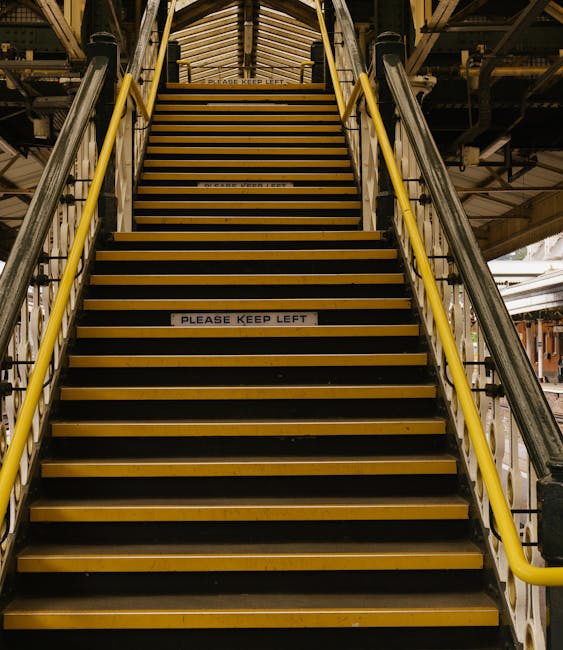
Moving near a busy station is rarely a straight line from front door to van. If you are planning an Acton Town Station removals guide for tight access moves, the real challenge is usually not the distance - it is the squeeze: narrow roads, awkward parking, stair-heavy buildings, shared entrances, and the kind of timing pressure that makes even a simple sofa feel like a small project. Truth be told, that is where good planning saves the day.
This guide walks you through what tight access removals near Acton Town Station actually involve, how to prepare, what to expect on the day, and how to avoid the mistakes that turn a manageable move into a long, stressful one. You will also find a practical checklist, a comparison table, and a few real-world pointers that make the whole process feel a lot less daunting.
Why Acton Town Station removals guide for tight access moves Matters
Tight access is one of those phrases that sounds technical until you are standing at the front door, looking at a parked car, a narrow pavement, and a staircase that seems to have been designed by someone who disliked wardrobes. Around Acton Town Station, that can mean terraced streets, shared driveways, flats above shops, and limited stopping space all adding friction to a move.
Why does this matter so much? Because tight access affects everything: how long loading takes, whether a larger vehicle can get close enough, how many people are needed, and what can be carried safely without damage. A move that looks straightforward on paper can become slow and physically awkward if the access has not been checked properly.
It also affects cost and scheduling. If the van cannot park near the entrance, movers may need to shuttle items by hand over a longer distance. That adds time. Sometimes the fix is simple - a smaller vehicle, an earlier start, or better packing. Sometimes it is more involved, especially where there are flats, basement levels, shared hallways, or busy local roads near the station.
In our experience, the biggest issue is not the access itself. It is surprises. A single surprise, like a low ceiling in a stairwell or a loading restriction outside the property, can ripple through the whole day. And nobody wants that, especially on moving day when the kettle is packed and everyone is already slightly on edge.
How Acton Town Station removals guide for tight access moves Works
The process starts with understanding the access at both ends of the move. That means the departure property, the arrival property, and the route in between. For a station-area move, the road layout and parking position often matter as much as the room count.
A good tight access move usually follows three stages:
- Assess access early. Measure stairs, doorways, corridors, lifts, and any turning points that could affect large furniture.
- Match the vehicle to the site. A smaller removal van or a flexible man and van setup is often more practical than forcing a large lorry into a tight street.
- Stage the load efficiently. Items are pre-packed, protected, and moved in the right order so the day does not stall halfway through.
That last part sounds obvious, but it is where many moves go a bit sideways. Heavy or bulky pieces should usually go out first, once the route is clear, while fragile boxes are easier to manage once the main furniture is on the van. The order matters. A lot.
For businesses or larger home moves, you may also want to look at broader removal services or even removals support if the job involves multiple rooms, awkward access points, or heavier items that need additional handling.
Key Benefits and Practical Advantages
When tight access is planned properly, the move feels calmer, quicker, and less risky. That is the short version. The longer version is more interesting.
- Less lifting over distance: If parking is planned well, items spend less time being carried through shared areas or down the street.
- Lower damage risk: Fewer awkward turns and less last-minute rushing means fewer bumps to furniture, paintwork, and door frames.
- Better timing: A realistic schedule helps avoid traffic pressure around station roads and the usual morning scramble.
- Cleaner loading flow: Smaller vehicles can sometimes park where larger ones cannot, which keeps the whole process moving.
- More predictable costs: Good access planning can reduce extra labour time and avoid the kind of delays that nobody budgets for.
There is also a mental benefit, and it should not be overlooked. If you know the access has been checked and the route has been thought through, the move stops feeling like a guessing game. You can focus on the practical stuff: labels, keys, fragile items, and making sure the floor lamp survives the journey intact.
Who This Is For and When It Makes Sense
This guide is for anyone moving near Acton Town Station where access is limited, especially if the property has stairs, narrow hallways, or awkward roadside conditions. It is particularly useful for:
- flat moves in older buildings or converted houses
- student moves with bulky bags and boxes but little space to manoeuvre
- small office relocations where equipment needs careful handling
- families moving from terraced streets or split-level homes
- people moving on a tight timetable, such as a same-day handover
If you are moving a few pieces of furniture, a piano, or a full household, the access question still matters. A move can be tiny in volume and still awkward in practice. A narrow staircase can be more inconvenient than a whole van full of boxes. Funny how that works, really.
If your move is simple but time-sensitive, a same-day removals service may be worth considering. For people shifting in and out of smaller homes, flat removals and student removals are also useful routes to explore.
Step-by-Step Guidance
A tight access move goes more smoothly when the planning starts before moving day. Here is the cleanest way to approach it.
1. Walk the route properly
Start at the front door and work your way to the van point. Check stairs, corners, shared halls, garden paths, lifts, and any part of the journey where a sofa, mattress, or wardrobe might catch. If the route has a bottleneck, measure it. Don't guess.
2. Measure the bulky items
Measure the height, width, and depth of items that are most likely to cause trouble: beds, wardrobes, desks, white goods, mirrors, and anything with an awkward shape. A tape measure is a small thing, but it can save a huge headache.
3. Confirm parking and loading space
Near a station, parking can be the hidden problem. Check whether there is space for a van to stop safely and without blocking access. If the property sits on a busier road, you may need to allow extra time for the vehicle to position itself.
4. Choose the right vehicle and crew
Not every move needs a large truck. In tighter streets, a smaller vehicle can be the smarter choice. If you need a flexible loading approach, a man with van or a compact removal van often makes more sense than over-committing to something bigger.
5. Pack for easy handling
Heavy items should be in smaller boxes, not oversized ones. Fragile belongings should be cushioned properly. Furniture should be cleared of loose parts and wrapped where needed. If you want extra help, packing and boxes or packing and unpacking services can take some of the strain off your day.
6. Load in a sensible order
The van should be loaded so the largest and heaviest pieces are secured first, with delicate items protected from crush pressure. That sounds basic, but it is exactly the kind of thing that prevents damage when the road gets bumpy or the van stops suddenly in traffic.
7. Keep the final handover clean
Have keys, documents, and essentials close at hand. Make sure the last items out are the ones you will need first at the destination. There is always one charger, one set of keys, and one bag of medicines that you absolutely do not want buried under three boxes marked "misc."
Expert Tips for Better Results
Most tight access moves are won in the details. A few small adjustments can save a lot of effort.
- Use colour-coded labels. Mark rooms and priority items clearly so unloading stays organised.
- Keep one pathway clear. Even a narrow corridor feels wider when boxes are not stacked along the edges.
- Protect contact points. Door frames, banisters, and low walls are the usual victims in tight spaces.
- Do the heavy lifting earlier in the day. In busy areas, traffic and pedestrian flow can get worse as the day goes on.
- Use furniture protection. Blankets, covers, and wraps are simple but genuinely useful.
One practical tip that people often skip: photograph access points before the move if you are unsure. A picture of the entrance, stairwell, or parking bay can help everyone think clearly. It also helps avoid that classic line, "I thought it was wider than that."
If there is an item you do not need immediately, consider temporary storage. It can take pressure off the move and make a tight property feel less chaotic on arrival.
Common Mistakes to Avoid
A few recurring errors show up again and again in difficult-access moves. Avoiding them makes a bigger difference than most people expect.
- Not measuring properly: "It should fit" is not a plan.
- Using boxes that are too heavy: Small boxes for books, always. Your back will thank you.
- Ignoring parking realities: Tight streets near stations can look manageable until the van arrives.
- Leaving packing too late: Rushed packing leads to damage and confusion.
- Forgetting building rules: Shared entrances, loading windows, and lift bookings can all affect timing.
- Choosing the wrong service level: A simple van hire approach is not always enough for a bulky or complicated move.
Another subtle mistake is underestimating how tiring repeated short carries can be. Carrying one box down one short flight is easy. Carrying twenty? Not quite the same story. By item fourteen, everyone starts looking philosophical.
Tools, Resources and Recommendations
You do not need a giant toolkit for a successful tight access move, but the right basics make a noticeable difference.
| Tool or item | Why it helps | Best use case |
|---|---|---|
| Tape measure | Checks furniture, doorways, and stair turns accurately | Any move with larger items |
| Furniture blankets | Helps prevent scratches and chips | Wardrobes, tables, appliances |
| Straps and ties | Stops items shifting in transit | Van loading and transport |
| Labels and marker pens | Keeps rooms and priority boxes organised | Packed homes and office moves |
| Floor protection | Reduces wear and scuffs in shared or rented properties | Stairs, hallways, and entrances |
For more involved moves, the support of a professional team is often the simplest route. If the move includes a full household, home moves and house removals services may suit you better than trying to patch together multiple solutions. If you need a broader overview of trusted moving support, the main removal companies page is a useful place to start.
Law, Compliance, Standards, or Best Practice
There is no single rulebook that covers every tight access move, but there are sensible UK best practices that should be followed. At a practical level, moving teams should plan work safely, avoid blocking roads or access routes, and take reasonable care with property and belongings. That usually means assessing hazards in advance and choosing equipment and methods that fit the site, not the other way around.
For customers, the key is to be clear about access conditions. Tell the mover about staircases, no-parking areas, resident permits, low ceilings, shared courtyards, or anything else that could affect the job. A few honest details early on are better than a very awkward surprise at 8:15 on a wet Tuesday morning.
It is also sensible to check the mover's insurance and safety approach before booking, especially if there are fragile items, public access areas, or valuable furniture involved. A company that explains its working methods clearly tends to be more reliable than one that stays vague. You can also review the health and safety policy and insurance and safety information to understand the general standards being followed.
Where payment, booking, or service terms matter, a quick look at pricing and quotes, payment and security, and terms and conditions can help set expectations before anything is confirmed.
Options, Methods, or Comparison Table
Different move types suit different access conditions. The right choice depends on volume, furniture size, and how awkward the route is.
| Option | Best for | Strengths | Trade-offs |
|---|---|---|---|
| Man and van | Small to medium moves, flexible access | Easy to position, efficient for tighter streets | May need multiple trips for larger loads |
| Removal van | Furniture-heavy moves with limited parking | Practical size for narrow access areas | Less capacity than larger vehicles |
| Large moving truck | Big moves with easier access | High capacity, fewer trips | Harder to manage in tight station-area streets |
| Specialist removal service | Complex homes, offices, or valuable items | More hands, more planning, better protection | Usually a higher service level than basic transport |
For office moves, the same access logic applies, just with more equipment and more people trying to get through the same narrow door at once. A planned office removals or office relocation services approach is usually the sane option. If you need a vehicle-only solution, removal truck hire or a dedicated moving truck may still be appropriate, but only if the access allows it.
Case Study or Real-World Example
Imagine a two-bed flat move a short walk from Acton Town Station. The property is on an upper floor, the staircase turns sharply halfway up, and there is no proper off-street parking. On paper, it is not a huge move. In reality, it needs a careful plan.
The right approach would usually be to:
- confirm the stair width and any awkward corners
- split heavy belongings into manageable boxes
- protect the bed frame and wardrobe sections before carrying
- arrange a vehicle that can stop close enough without causing a traffic problem
- move the most awkward item first, while everyone is fresh
That sort of job often goes smoothly when the mover knows exactly what they are facing. The day still feels busy, of course. Moving days always do. But the difference between a good plan and a vague one is usually a couple of hours, a few nerves, and possibly one bruised knuckle saved.
If the move also involves furniture disposal or replacing a few pieces, services like furniture removals, furniture pick up, or even piano removals can help keep the move realistic instead of overcomplicated.
Practical Checklist
Use this before moving day. It is simple, but it covers the essentials.
- Measure entrances, stairs, corridors, and large items
- Check parking, loading space, and any access restrictions
- Tell the mover about lifts, codes, permits, or shared entrances
- Use strong boxes and keep heavy items smaller
- Wrap delicate furniture and protect corners
- Label boxes by room and priority
- Keep documents, keys, and valuables with you
- Plan whether you need storage for anything non-essential
- Confirm the service type that fits the property access
- Review safety, insurance, and terms before booking
Small checklist, big payoff. Honestly, that is the whole game.
Conclusion
A move near Acton Town Station is perfectly manageable if you treat access as the main project, not an afterthought. Tight hallways, limited parking, stairs, and busy roads all change the way the job should be planned, but none of them have to derail it. With the right measurements, the right vehicle, and a tidy packing plan, even a tricky move can feel controlled.
The real goal is simple: fewer surprises, less lifting, and a move that does not eat your whole day. If you prepare well, you give yourself a proper chance of that calm, rare moving-day moment when everything is actually going to plan. Which, let's face it, feels pretty good.
Get a free quote today and see how much you can save.
Frequently Asked Questions
What counts as tight access for a removals job near Acton Town Station?
Tight access usually means there is limited room for vehicles, difficult parking, narrow staircases, small doorways, or awkward internal turns. Around a station area, roadside space can be just as important as the property layout.
Do I need a small van or a larger vehicle for this kind of move?
It depends on the load and the access. A smaller vehicle is often better for narrow streets and limited stopping space, while a larger vehicle may suit easier access and bigger volume. The wrong-sized vehicle can create delays.
How early should I measure my furniture and access points?
As early as possible. Ideally, do it before booking if there is any doubt. Measuring the wardrobe, sofa, staircase, and door widths in advance helps prevent last-minute problems.
Can a flat move near Acton Town Station be done in one trip?
Sometimes, yes. But if access is restricted or the property has bulky furniture, a second trip or a better-loading plan may be needed. It is smarter to allow flexibility than to assume everything will fit neatly first time.
What if there is no parking right outside my property?
That is common near busier areas. A mover may need to park a short distance away and carry items farther. The key is to plan the route and loading time realistically, especially if larger items are involved.
Should I book packing help for a tight access move?
If you have lots of fragile items, heavy books, or awkward furniture, yes, it can be very helpful. Packing support can reduce damage risk and make the loading process faster and cleaner.
Is storage useful if I am moving into a small or awkward property?
Definitely. If you do not need every item straight away, temporary storage can reduce pressure on move day and stop the new place from feeling overcrowded from the start.
How do I protect walls and bannisters during the move?
Use furniture blankets, corner protection, and a slow, controlled carrying pace. The best protection is usually good route planning plus a crew that does not rush the tricky bits.
Are same-day moves possible near Acton Town Station?
They can be, depending on availability and how complicated the access is. If the move is simple but time-sensitive, a same-day option may work well. If the access is very tight, a bit more planning is usually better.
What should I tell the mover before booking?
Tell them about stairs, lifts, parking, road width, furniture size, access codes, permit zones, and any items that need special handling. The more accurate the information, the smoother the move is likely to be.
Are office moves near the station handled differently from home moves?
Yes, usually. Office moves often include equipment, desks, files, and more people moving through shared spaces. That means timing, security, and access planning become even more important.
What is the biggest mistake people make with tight access removals?
The biggest one is underestimating the access problem. People often focus on how many rooms they have, when the real issue is whether the items can physically be moved safely and efficiently.
For a more tailored moving plan, you may also want to explore man with van support or a broader removal services option depending on how much you need carried and how tight the access really is.